InfoGaia
When Joint Discomfort Keeps Coming Back: Is It Time for a Deeper Strategy?
Many people don’t live in constant joint pain.
They live in cycles.
A few better days.
A flare-up.
Rest.
Some improvement.
Then the quiet return of stiffness — subtle, persistent, familiar.
If this pattern feels familiar, it may not be a matter of doing more.
It may be a matter of going deeper.
The Relief Loop Most People Get Stuck In
The common response to joint discomfort is reactive:
• Stretch when tight
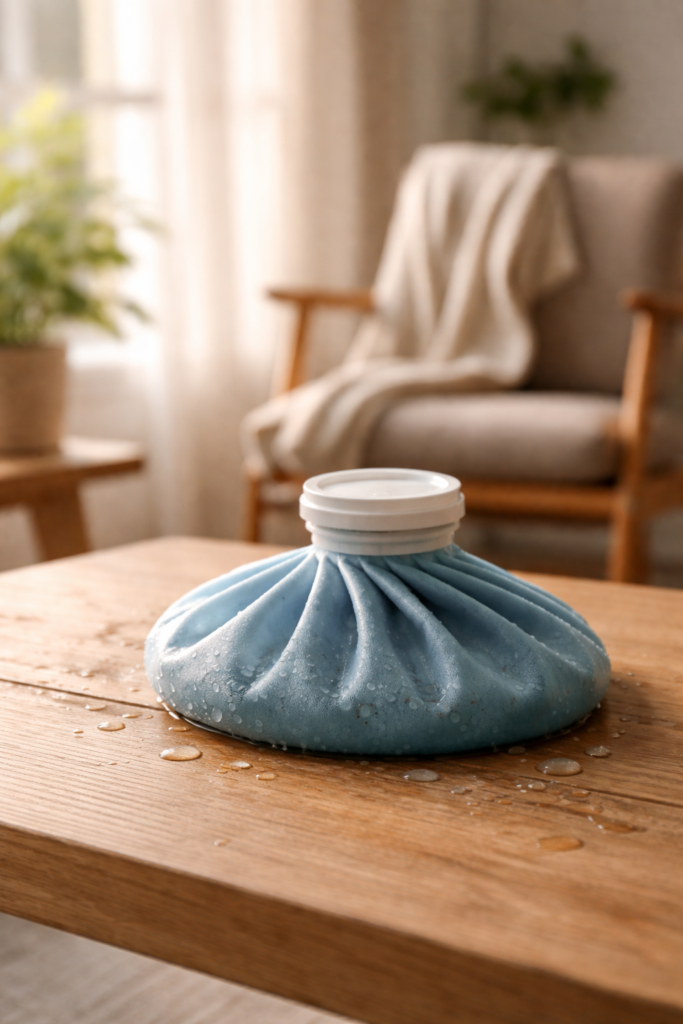
• Ice when inflamed
• Rest when aggravated
• Move again when it feels better
These tools are useful. Sometimes essential.
But they often address symptoms at the surface level — muscle tension, temporary inflammation, mechanical overload.
When discomfort keeps returning, it may signal that the joint environment itself hasn’t been fully supported.
Not damaged.
Not broken.
Just under-supported.
The Difference Between Surface Relief and Structural Support
-
Surface strategies tend to calm tissues.
Structural strategies aim to support the internal environment of the joint — including:
-
Lubrication (synovial fluid quality)
-
Cartilage resilience
-
Connective tissue integrity
-
Collagen matrix support
Think of it this way:
Relief quiets the alarm.
Support improves the architecture.When architecture improves, alarms ring less often.
-
Subtle Signs It May Be Time to Rethink Your Approach
You might consider a deeper strategy if:
-
Stiffness returns quickly after periods of rest
-
Movement feels “dry” or resistant rather than sharp or acute
-
Discomfort shifts from one joint to another
-
Progress plateaus despite consistent stretching or exercise
These are not diagnoses.
They are patterns.
And patterns deserve curiosity.
The Internal Environment Matters More Than We Think
Joints are not just hinges.
They are living systems.
Cartilage depends on hydration and matrix integrity.
Synovial fluid depends on viscosity and movement.
Connective tissue depends on adequate building blocks.
If the internal environment becomes less supportive over time — whether due to age, stress, nutrition, or inactivity — movement can begin to feel subtly compromised.
The solution is rarely aggressive.
It is usually supportive.
Combining Movement with Internal Support
The most sustainable joint strategies tend to include:
-
Gentle, regular movement
-
Muscle engagement for stability
-
Recovery practices
-
Nutritional support that contributes to connective tissue health
Not one replaces the other.
They stack.
When movement and internal support work together, progress often feels less fragile.
Testing a Deeper Strategy — Calmly
There is no urgency here.
But there is room for experimentation.
If you’ve addressed the obvious layers and still feel stuck in a loop, exploring a more comprehensive support approach may be reasonable.
Not as a miracle.
Not as a last resort.
But as a thoughtful next layer.
Some individuals choose to test structured joint-support formulas that focus on lubrication and connective tissue building blocks as part of this process.
The key is consistency and observation.
Improvement tends to reveal itself gradually — not dramatically.
Cross-reading
If you’d like to explore how gentle, structured movement can support joint and back comfort in a sustainable way, read the core guide here:
→ How intentional movement supports joint and back health
An inspiring next step...
Want a short, readable one-pager that explains hyaluronan and how to run a fair ingredient trial?
Affiliate disclosure: InfoGaia may earn a commission if you purchase via this link. Our editorial judgment is independent — we recommend trials, not guarantees.
Final Thoughts
At some point, most of us have had that conversation with our knees.
You know the one.
You ice them.
They behave for a day.
You stretch.
They nod politely.
You promise to “take it easy.”
They smirk.
Because deep down, your joints aren’t dramatic.
They’re just practical.
Ice is wonderful. Rest is wise. Stretching is noble.
But if you’ve been hosting the same stiffness every few weeks like an uninvited houseguest… maybe it’s time to upgrade the furniture, not just open the windows.
Joints don’t usually demand heroics.
They ask for better support.
And sometimes the most mature thing we can do isn’t to fight discomfort harder — it’s to support the system more intelligently.
No panic.
No miracle hunts.
Just a slightly wiser experiment.
After all, if ice alone had solved everything…
we’d all be Olympic champions by now.
— Gaia Oliveira, Wellness Editor
InfoGaia follows an editorial wellness model focused on education and research synthesis. This article is intended for educational purposes only and does not replace professional medical advice. Individual responses to movement, nutrition, or supplementation may vary, especially for individuals with pre-existing conditions. If symptoms are persistent, sudden, or severe, consult a qualified healthcare professional.
Some links within this article are affiliate links. If you choose to purchase through these links, InfoGaia may earn a small commission at no additional cost to you. This helps support our editorial work and the continued creation of independent wellness content.

InfoGaia
Carefully edited reflections on wellness, nature, and how living systems actually work.
Connect & Legal
Short, thoughtful notes. No noise.
© InfoGaia · 2026